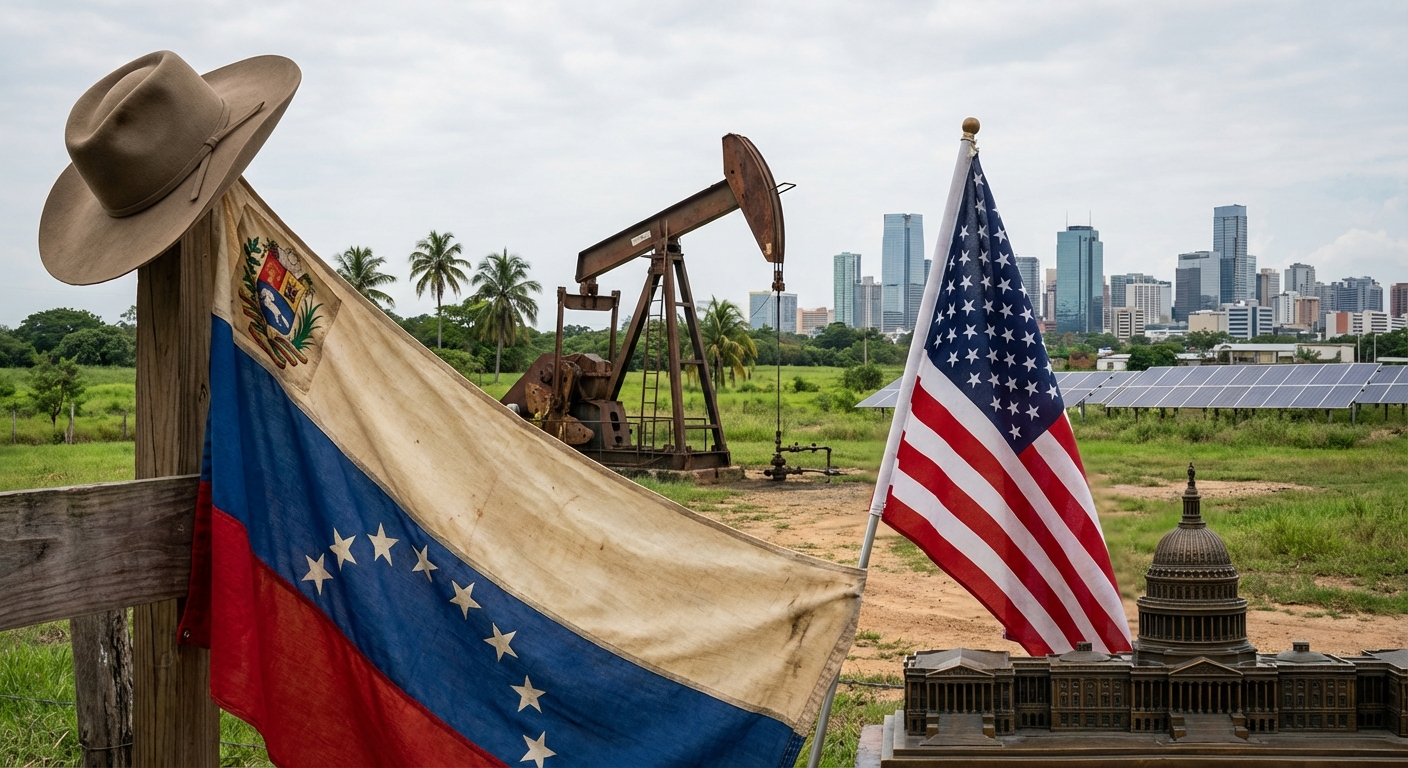
The relationship between the United States and Venezuela is steeped in a complex tapestry of historical ties and tensions that reflect centuries of geopolitical maneuvering. As nations continue to grapple with their past, the legacies of earlier conflicts resonate in the diplomatic strategies of today. The prolonged nature of significant conflicts, such as those seen in the Middle East, demonstrates how unresolved grievances can affect state relations across continents. The shift in historical narratives can transform adversaries into allies, as evidenced by the European integration following World War II, where former enemies pooled their resources in the face of a common threat. Such frameworks serve not only to facilitate collaboration but also to highlight a path for futures shaped away from previous animosities.
Venezuela’s contemporary diplomatic landscape illustrates this complexity profoundly, particularly during the presidency of Hugo Chávez from 1999 to 2013. Chávez’s approach to foreign policy marked a significant departure from traditional affiliations with the U.S. He sought to establish a robust anti-U.S. coalition while fostering closer ties with nations like Cuba, Iran, and Russia, positioning Venezuela as a leader within the Latin American leftist movement. This realignment was not arbitrary but a calculated effort to challenge U.S. hegemony by creating the Bolivarian Alliance for the Peoples of Our America (ALBA), a framework designed to offer a counter-narrative to U.S.-dominated institutions like the Organization of American States (OAS) Source.
Chávez leveraged Venezuela’s vast oil reserves as a diplomatic tool, utilizing the nation’s resources not just for economic gain but as a way to cultivate international relations, granting support to allied nations in exchange for political backing. This pragmatic yet confrontational policy generated a mixed legacy, drawing both criticism and admiration. Chávez’s demeanor on the world stage often ignited tensions between Venezuela and the United States, which responded with a series of sanctions aimed at crippling Venezuela’s economy and stifling its diplomatic ambitions Source.
Today, the ramifications of Chávez’s foreign policies echo through the tumultuous political landscape under Nicolás Maduro, whom many view as both a product and a perpetuator of Chávez’s contentious diplomatic strategies. The intricate dynamics governing U.S.-Venezuelan relations are compounded by contemporary global pressures, particularly as geopolitical tensions escalate between formidable powers like the U.S. and China. Reports forecast that these tensions will continue to shape the geopolitical landscape as technology and economic competition redefine global power structures Source.
Economically, the narrative of recovery post-pandemic remains uneven, echoing the disparities reflected in the ongoing Venezuelan crisis. With many nations now focusing on sustainability and renewable energy sources, the traditional dynamics of oil-dependent economies are increasingly complex. Venezuela, heavily reliant on oil exports, finds itself in a precarious position that is further destabilized by inflationary pressures and shifting monetary policies worldwide Source. The competitive landscape of energy markets, alongside the U.S. and global commitments to reduce fossil fuel dependence, threatens Venezuela’s economic future and, by extension, its political sovereignty Source.
Interestingly, the geopolitical complexities between the U.S. and Venezuela unveil a broader narrative about leadership, resistance to hegemonic powers, and the quest for self-determination in the foreign policy arena. Chávez’s influence, though controversial, engendered a sense of national pride and a framework for collective regional dialogue amidst external pressures. As countries like Venezuela navigate the tidal waves of international relations, the need for a nuanced understanding of history seems imperative. The convergence of past legacies with current affairs calls for a reevaluation of diplomatic strategies that could foster a more stable and cooperative future, a possibility that remains tantalizingly out of reach amidst the tensions that persist today.